The technical demands placed on bus engineers are evolving. Modern vehicles incorporate increasingly advanced driveline, braking, electrical and electronic technologies, while the growth of low-emission and electric buses is introducing new engineering challenges and opportunities.
News that ZF Aftermarket has delivered a four-week technical training programme for 30 apprentices from Go-Ahead Group as part of efforts to develop engineering skills within the bus sector has been greatly welcomed by Imperial Engineering, which is a long-standing distributor of parts for ZF Aftermarket and a major supplier to Go-Ahead Group.
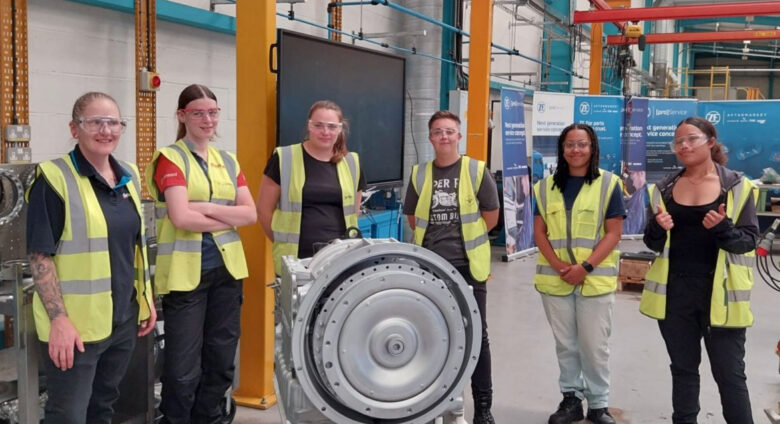
Delivered to groups of apprentices over a four-week period, the course was intended to help apprentices apply their technical knowledge to routine servicing, maintenance and fault-finding while reinforcing safe workshop practices. The programme combined classroom learning with practical workshop sessions involving systems and components commonly found across passenger transport fleets, and forms part of ZF’s wider work to support skills development and knowledge-sharing within the sector.
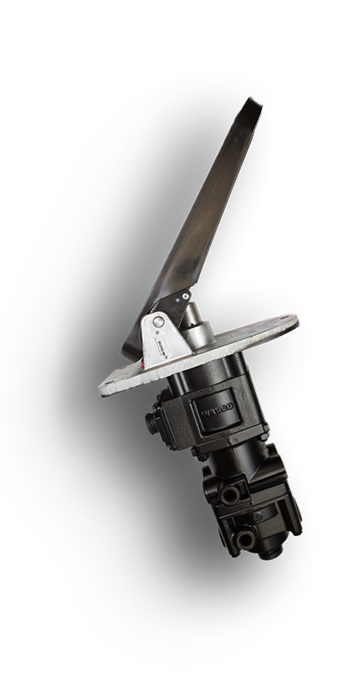
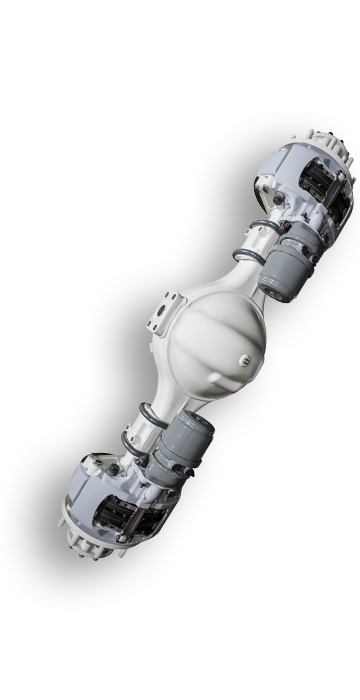
As well as gaining an introduction to ZF and its product portfolio before moving to sessions covering gearboxes, axles, Wabco systems, diagnostic equipment and electric drive motors, the apprentices undertook diagnostic training, which included practical experience of the Testman and ZF Scan systems.
Encouragingly, six of the 30 participants were female, representing 20% of the apprentice group.
For Imperial Engineering, a leading supplier of ZF Aftermarket parts to the bus industry, supporting the development of skills is an important part of helping to secure the sector’s future. That is why Imperial continues to support the IRTE Skills Challenge every year, recognising the important role that apprenticeships and practical training play in developing the next generation of engineers and technicians.
John Dwight, Sales Director at Imperial Engineering, said:
“The future of the bus industry depends not only on the technology we put into vehicles, but on the people who have the skills and knowledge to maintain and develop it. Apprentices are the next generation of engineers who will keep our bus fleets moving as the industry continues to evolve. For the wider industry, investing in apprentices is also an investment in its long-term resilience. Developing talent from within helps ensure that the specialist knowledge and practical skills required to maintain the UK’s bus fleets are passed on to the next generation.
“That is why we are proud to support the IRTE Skills Challenge every year. It provides an important platform for apprentices to demonstrate their practical abilities, build confidence and gain recognition for the contribution they are already making to the industry.
“But skills development doesn’t stop when an apprenticeship finishes. The work we support with ZF and operators such as Go-Ahead demonstrates the importance of continuing to invest in technical training throughout an engineer’s career. As vehicle technology changes, so must the knowledge and capabilities of the engineers.”