The decarbonisation of the UK’s PSV fleets has resulted in the introduction of new vehicle systems. These include changes to the air braking system, where engine-driven compressors have been superseded by electric e-compressors and new brake systems with active caliper release (ACR) technology, to improve efficiency and reduce emissions.
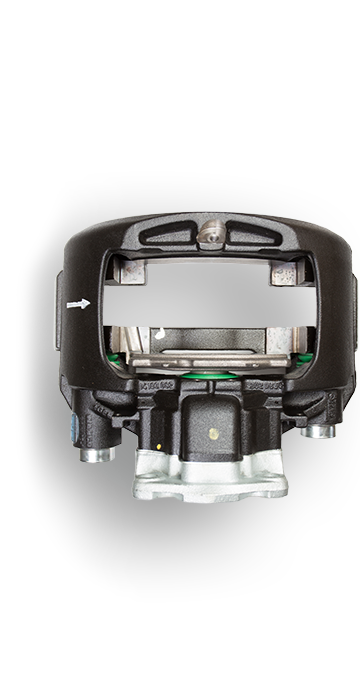
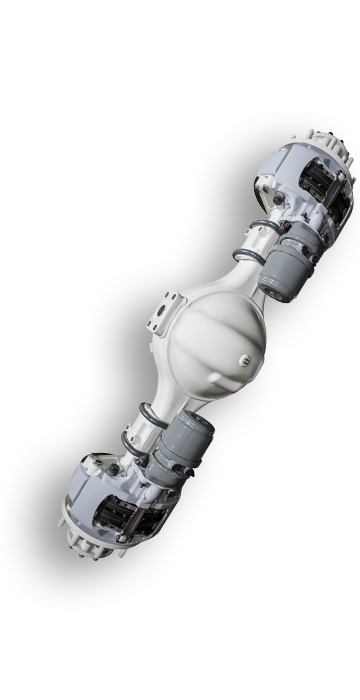
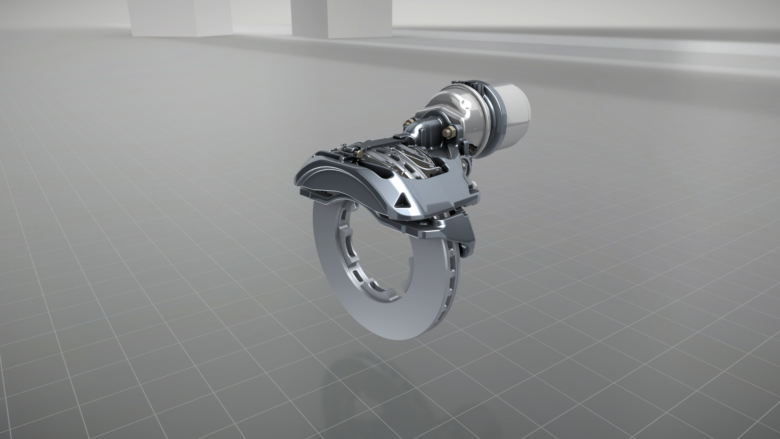
Developed by Knorr-Bremse as part of its Synact disc brake line-up, ACR is now fitted to the latest e-bus models, such as the Wrightbus Electroliner double-decker. Developed for both axial and radial brake cylinder connection, the double-piston Synact brake saves up to 28 kilograms of weight per vehicle and generates braking torque of over 30 kiloNewton-meters. The ACR system complements the Synact brakes by reducing residual drag torque to further improve energy efficiency, by releasing the brake pad from the disc more quickly. This results in lower energy consumption and CO2 emissions, as well as reduced brake dust, which are a key aspect of the upcoming Euro 7 emissions standard.
System overview
As with all floating caliper brakes, there is residual slip torque where, after applying the brake, the brake pads are not fully retracted and can rub against the brake disc. Also, when the bus is cornering, centrifugal forces bring the caliper into contact with the brake disc. To minimise this power loss, ACR releases the pad from the disc after braking using a Knorr-Bremse patented spring system. This retracts the brake pads from the disc, allowing the disc to run freely more quickly.
The spring frame of the ACR, which is fixed in the brake carrier, centres the brake caliper over the brake disc to reduce centrifugal forces on the brake caliper, whilst the vehicle is cornering, resulting in lower energy consumption and reduced wear on the brake components. To ensure a constant clearance between the brake pads and disc, the brake is equipped with an automatic adjuster mechanism, which operates during every brake application to compensate for wear.
System care and maintenance
As one of the UK’s leading suppliers of OE bus components, including parts for the latest electric models, Imperial Engineering provides a range of diagnostic tools and software for PSV maintenance and repair. The Harlow-based distributor has a wealth of bus brake system knowledge and expertise and is pleased to support operators with technical advice and guidance.