Traditional and modern
With a new base in Harlow, Imperial Engineering is a company which values its service and reputation, and seeks to offer customers the best possible service, as CBW’s Editor, Jonathan Welch, found out on a recent visit
It’s often said that the wider public doesn’t realise how much goes on behind the scenes to make the bus industry work. The depots, the schedulers, the software, the maintenance regimes; there’s a lot happening. But what about the next layer in the chain? Where do all the things that support a depot’s operation come from?
The answer’s easy, isn’t it? They might come from suppliers like Wabco, Knorr-Bremse, ZF, or a whole host of other familiar names. But that’s only half of the story. How do the components that a depot requires to maintain its fleet arrive at the stores window for a mechanic to install, and where do they come from?
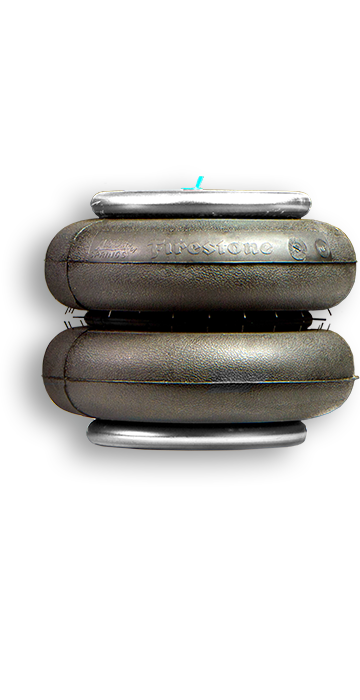
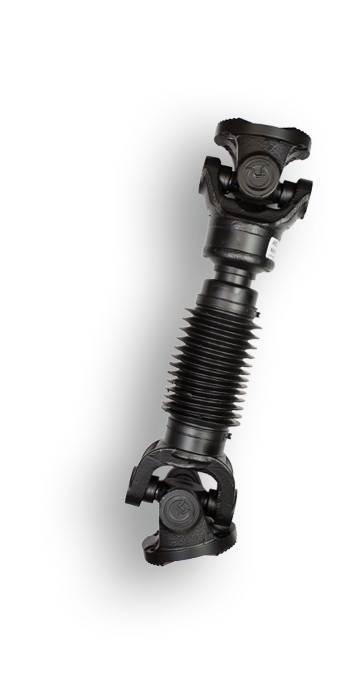
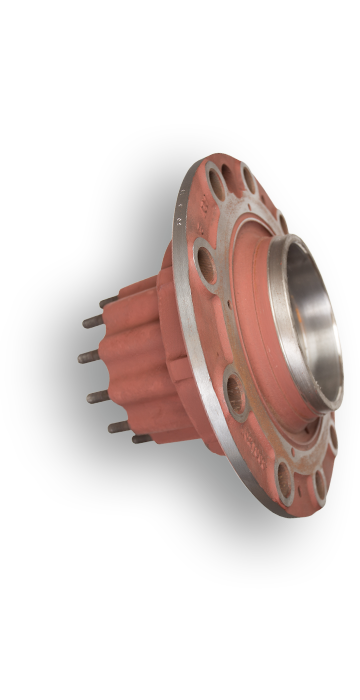
One answer to that is Harlow-based Imperial Engineering. It’s a name that will already be familiar to many, as the company is a major supplier of parts including braking, power steering, drivetrain and hydraulic systems, and much more besides. It’s also a company with a long and interesting history, having moved from specialising in remanufacturing to a largely supply-based business model, but one which still draws upon its engineering heritage to allow it to offer additional services – and additional value – to its customers.
Now settled into a modern unit on an industrial estate on the northern edge of Harlow, Essex, Imperial Engineering invited CBW to take a closer look. We sat down with Sales Director John Dwight before taking a tour of the site. John began by emphasising that it’s not just about sending parts out of the door: “It’s all about how you support those parts so the customer can get best value,” he said. “We encourage our customers and manufacturers to speak to each other, and we have a lot of in-house expertise too.”
Before we moved on to speak about the company’s present day operations, though, John gave a run-down of where the business has come from. “We’re a modern, fast-moving business” he said, “but still very much a family business. We still place a great emphasis on service and looking after our customers. That’s something that’s very important for us. It shows we care. We’ll always try and find a solution.”
Long history
The company proudly displays its history on a full wall mural in its boardroom. It was founded in 1914, John explained, by his great great grandfather. “In more modern days,” he recalls, “it was run by my grandfather, who took the business from Holloway Road in London to Cheshunt in 1971; that turned out to be a really good move for us, as the M25 was built nearby which gave us excellent motorway access.”
The business was founded as Imperial Engineering Motor Works by father and son Daniel and Albert Dwight, both former Daimler engineers, who set up a workshop to service taxi cabs. The Great Depression in the 1930s meant that the business had to diversify and by 1937, it had earned a reputation for the reconditioning of commercial vehicle components, sowing the seeds of the business which exists today. Under Albert’s control, the business moved to larger premises in Holloway, where it continued to concentrate on reconditioning, remanufacturing and repairs.
Growth led to the 1971 move to Cheshunt. It was a site with a motoring pedigree, being part of the former Lotus works, and still owned by Lotus founder Colin Chapman. “It was still very much a manufacturing company back then,” explained John. “We’d always had a good connection with bus companies. We were approached by London Transport when it was going through privatisation, which meant refurbishment work would be contracted out and not in house. The engineers from its Chiswick works came to see us, and it was the start of a relationship that stood the test of time. We began carrying out mechanical refurbishment work on Routemasters and Leyland Titans. By the end of the 1990s though, we could see the writing was on the wall for the Routemasters, and my father and uncle were worried about what that meant for the business.”
Changing times
“At around the same time, Knorr-Bremse’s biggest distributor had run into difficulties and so they were looking for someone new,” John explained. “Fortunately, they approached us. It would mean relinquishing some of our remanufacturing work so there was no conflict of interest. In the end, we also kept the Routemaster work, and soon after we also became a distributor for Haldex.”
For John’s part, although he was still at school at the time, he wrote an A-Level project looking at whether the business should stick to remanufacturing or switch to a distributor model. Time has provided the definitive answer. “Now less than 10% of our business is in-house engineering,” he explained. “We’ve added a raft of original equipment manufacturers to our supply offering, but we still try to keep things simple. We supply the right product, and we support it with training. On that front, we are lucky to have John Simmons on our team, who used to work for Knorr-Bremse.
“Some people ask why we’d want to train operators how to make parts last longer, but we see it as part of our role to help them get the maximum life out of each component. We’re not here to make a quick buck. There’s a lot of trust, and we’ve built long-term relationships. We take our reputation seriously.”
Shifting priorities
The move from remanufacturing to supply reflects a broader trend across the sector. “With the advent of corporate manslaughter legislation, we saw less demand in the market for remanufactured parts,” John said. “Although the quality of our remanufactured parts is as high as a component from the original manufacturer, the appetite for them had dropped. Businesses wanted to de-risk, and that meant fitting brand new OEM parts.
“At the same time, technology was advancing very quickly, so some products didn’t lend themselves to remanufacturing, and the cost of new parts was going down. That’s crept up again since the pandemic though, and operators are looking again at how they can save money.”
New home
The business has been at its new location since 2021. “We left Cheshunt as the site was earmarked for redevelopment, to provide much-needed regeneration in the area,” John explained. “We did try to buy it, but weren’t able to. Harlow is a good choice for us though. Lots of our staff were already from here.
“We stripped the building back to the frame and invested significantly in redeveloping it. That took place during the pandemic, although we didn’t have much of a dip in our workload. There were supply chain issues, but there was still demand for parts from operators. It was a challenging couple of years.
“It’s easy to worry about what happens next, but at the same time you have to look at what has already been achieved. Imperial Engineering has been around for over 100 years already! And being the size we are means that we are agile. We can go where the market goes.
“That’s a benefit of being family-owned. We’ve retained our independence, and we’ve built up a huge amount of knowledge. We can make decisions quickly.”
One thing that the move did allow the company to do was de-clutter. “We’d been there since 1971,” said John, “and the amount of stuff we’d accumulated was phenomenal. We got rid of lots of things that we’d kept ‘just in case.’ We made the move to Harlow between Christmas and New Year, and the team really stepped up.”
Efficiency
“Now, we have 15,000 square feet of space and hold around £2.7m-worth of stock,” John continued. “The move has given everyone a huge lift. The old place was showing its age; here’ we have better, modern facilities, and we were able to install lifting equipment to make life easier, which wasn’t possible at Cheshunt. We’ve just finished implementing a new warehouse management system to improve our efficiency. We’ve grown the business by about three times in the last 10 years.”
The new warehouse management system, or WMS, has also brought many benefits, John explained. “It’s improved the accuracy of our picking,” he said, “and increased the efficiency of processing orders and stock. There’s been a reduction in human error. Previously, there was lots of paperwork to check in stock as it arrived, and to process and dispatch orders. We can scan stock onto our shelves as it arrives, then scan it into a tote and through to packing. We know what’s in every box.
“The WMS means we can focus on getting the order out to the customer. It benefits us and it benefits our customers.”
In his youth, John remembers helping out the company’s storeman during school holidays with stock checks, using the old cardex system. “My dad was the finance director, and he made up a small pay packet for me,” he recalls. “As I got into my teens, I’d help out stripping Routemaster parts.”
And although he’s been around the business since a young age, it wasn’t certain that he’d join it. “I went to UEA in Norwich and did a degree in sociology,” he explained. “I thought about going into teaching, and worked in the construction sector for seven years, but found it very confrontational.”
When the opportunity arose to take on a role at Imperial and see if he liked it, John decided to make the move: “My uncle was sitting next to me at his 60th birthday, and said to me there was always a position if I wanted one. I started out doing deliveries in one of the vans.”
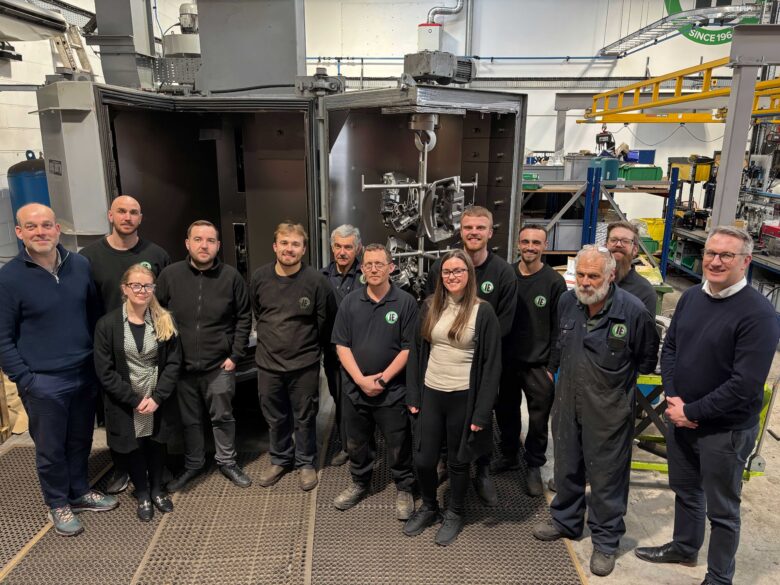
Although it has grown in volume, Imperial still employs around 35 people, a number John says has remained constant for a long time. “Our engineering workshop has become busier,” he explained, “but being more efficient means that our office and warehouse teams have stayed the same, although we’re gradually bringing in new team members to allow for retirements.”
One thing Imperial Engineering doesn’t have is a team of salespeople. “There’s still a place for face to face meetings” says John. “We will go out to help if a customer has a problem with parts so that we can see for ourselves what’s happening. They appreciate that support. And I often visit the big groups’ centralised purchasing teams. It’s only one visit these days, rather than visiting each depot, but we have a constant dialogue.”
A long list
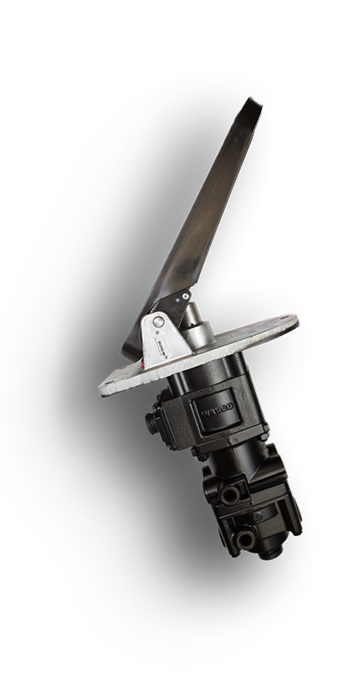
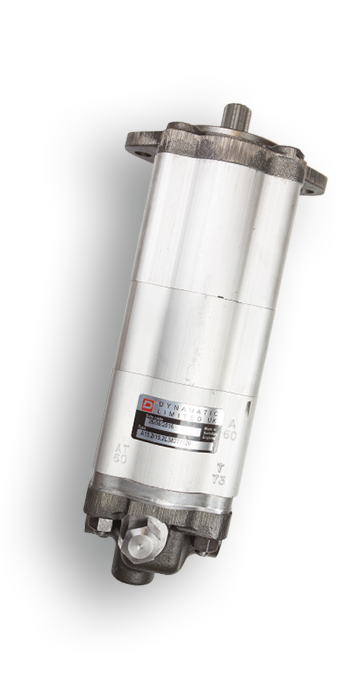
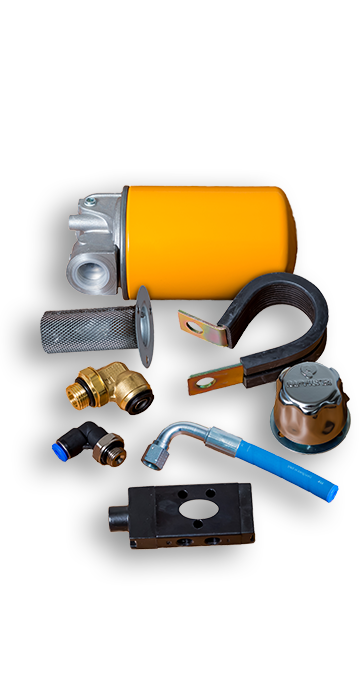
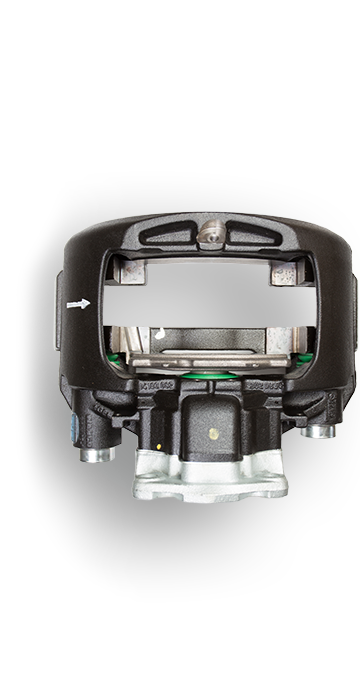
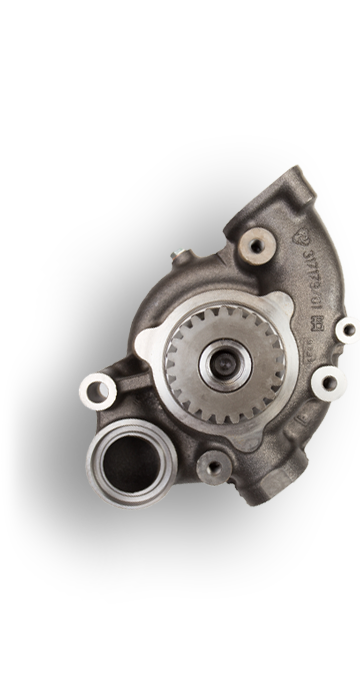
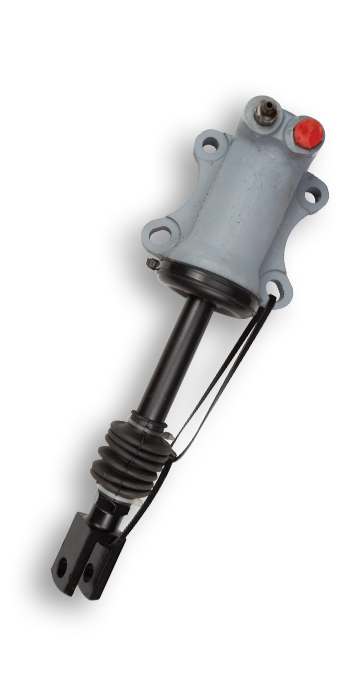
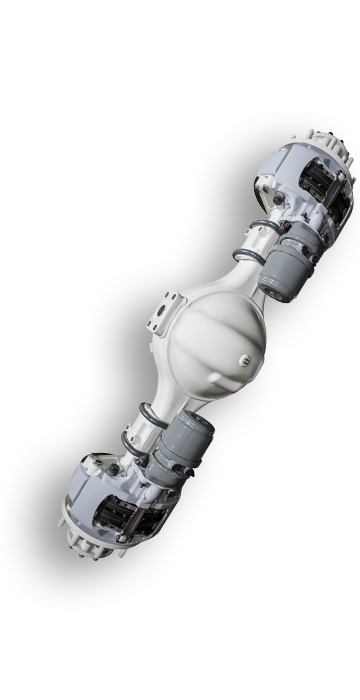
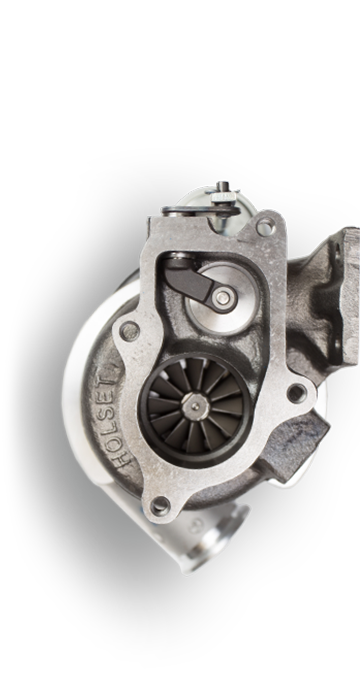
Air brake systems have formed part of what Imperial Engineering does for a long time, but its range has expanded to cover the friction side of braking systems, such as callipers and pads, whilst suspension, steering and driveline components, plus water pumps, turbochargers, compressors, air dryers and air processors are all part of its portfolio.
“ZF acquired Wabco in the last few years, and that’s opened up more opportunities for us,” said John. “We see lots of potential for growth; ZF is the third largest automotive company in the world. There are lots of additional services and benefits that ZF can offer.
Modern vehicle technology is another growth area, with AdBlue system components and electronics adding to Imperial’s stock list, but despite changing technology John says the company continues to see similar failure points on modern vehicles, often caused by poor maintenance and inspection regimes which lead to premature failures.
People people
Having moved from deliveries up to the Sales Director role, John now runs the close-knit business alongside his cousin James Dwight, and close friend James Davey, who holds the role of Finance Director. “We all have different strengths,” he says. “We’re very fortunate to still be independent and growing. We’re just the custodians. The next generation is still a bit too young, though, but we’ll see what happens. Mum and dad gave me the tools to make my own decisions, and I’ll do the same for my son.
“We like to invest in our people, and for me it’s been hugely rewarding to see people develop and come through the business.”
Speaking of supporting people led to mention of the IRTE Skills Challenge, a competition which Imperial Engineering is a proud and long-time supporter of. John believes that there’s a need for a renewed focus on technical and vocational training rather in place of the desire to funnel people towards universities. “Graduate jobs are becoming harder to find. We’ve always sought to support apprenticeship schemes at bus companies,” he said. “These people are the future of the industry. We’ve seen the shortage of engineers grow. That makes it even more important to support events like the Skills Challenge. We help to set the brake calliper challenge, and we’re trying to involve some of our suppliers too.”
In the workshop
As we reached the end of our meeting, John took me for a tour of the workshop and warehouse area, which highlighted the split between engineering and distribution functions; whilst a large area houses neatly-arranged shelves full of parts of all kinds, shapes and sizes, a sizeable area is still given over to traditional engineering. A significant investment has been made in a shot-blasting machine, where parts can be cleaned and stripped easily and efficiently prior to reconditioning. As well as rebuilding parts, Imperial’s ability to add value has seen it win work from operators, such as adding calliper carriers to a set of callipers before shipping the complete unit. The company has also taken it upon itself to source and supply the correct oil for one particular brand of screw compressor, which John said was otherwise only available at much higher cost from the vehicle manufacturer.
John also pointed out the company’s investment in solar panels, which help to provide up to a third of the power needed. “We recycle almost all of our waste,” he added, “and we shred and re-use cardboard for packaging. Our vans are not yet electric, but our company cars are. We do our best to be sustainable and environmentally conscious, and that’s had a positive effect on the business. It makes people feel good; it’s part of the culture of the business and wider industry.”
Going back to where we started, speaking to a company like Imperial Engineering shows how much more there is to the industry than just the buses and coaches that are its visible face. But like many coach and bus operators, Imperial shares the same ethos; it is a family-owned, people-oriented business that has a genuine interest in the wider industry and which cares about its own people, and those it supplies and supports.
(Full article published in CBW 24/03/26 edition)