First established in 1992, European vehicle emissions standards have been instrumental in improving air quality by setting limits on pollutants from new vehicles. Over time, these standards have become more stringent as vehicle technology has evolved. The introduction of Euro 7, the EU’s latest standard, brings major updates for PSV operators due by extending regulation beyond tailpipe emissions to pollution caused by non-exhaust emissions (NEE).
In terms of implementation, the Department for Transport (DfT) has confirmed it will be adopting Euro 7 for new cars, vans, trucks and buses after consultation earlier this year. While the timeline of November 2027 for light vehicle registrations has been confirmed, implementation timings for trucks and buses, which are expected in 2028, are currently subject to a continuing consultation by the DfT.
Although exhaust emissions including nitrogen oxides, carbon monoxide and particulate matter are the most obvious, it is now recognised that NEE in the form of particulate matter from brake wear and tyre abrasion also cause urban air pollution. When the brakes on a vehicle are applied, the friction created between the brake pad and disc creates minute particles that are released into the atmosphere. The scope of Euro 7 in terms of reducing NEE also extends to all powertrain types, including hybrid and electric buses.
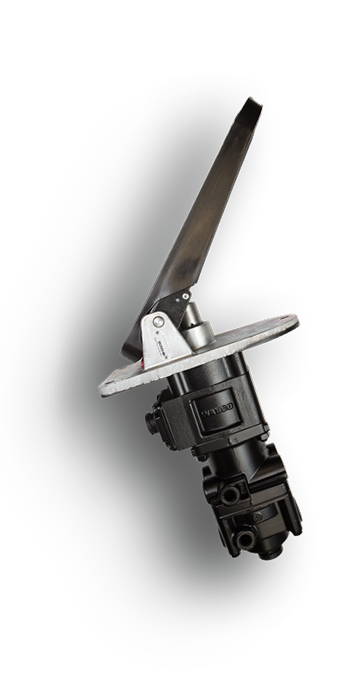
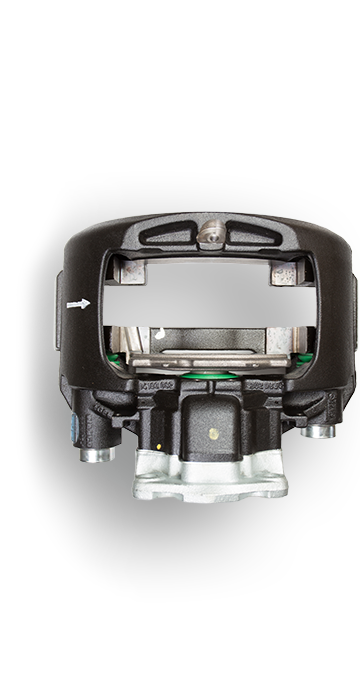
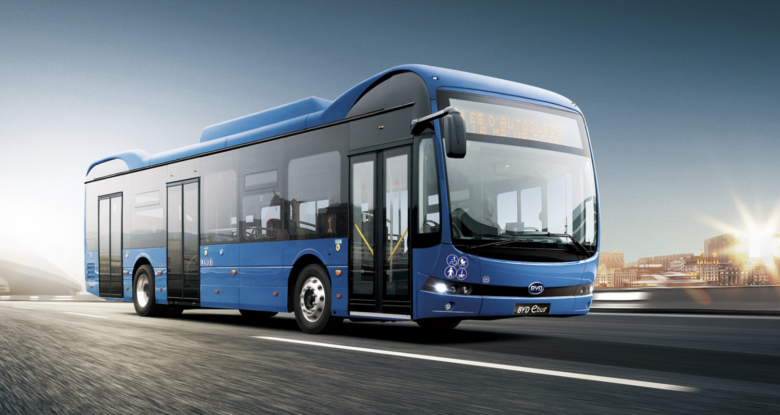
Due to their size and weight, buses require powerful braking systems. However, this presents a challenge for bus manufacturers due to the significant amount brake wear particles produced in comparison to passenger cars. In response, braking technology manufacturers are examining advanced materials for braking components that emit less particles. These include the introduction of ‘copper free’ brake pads where copper content in the friction material has been reduced from 25% to just 5%. The introduction of regenerative braking systems on hybrid and electric buses that reduce the use of the air brakes and related brake pad wear is also cutting the amount of NEE released into the environment.
For hybrid and electric buses, Euro 7 also introduces mandatory battery health monitoring and minimum capacity thresholds over defined mileages and operational lifespans. To ensure compliance and monitor performance, operators will require standardised data on battery degradation across their fleets.
Long-term compliance and on-board monitoring (OBM) standards are also becoming more robust under Euro 7, which requires vehicles to maintain compliance over an extended operational life of up to ten years or 200,000km for applicable categories. OBM systems provide real-time emissions tracking, alerting operators when maintenance or repairs are needed.
The increased scope of Euro 7 also requires engineering managers to adapt their fleet maintenance strategies to accommodate factors such as brake wear tracking and vehicle diagnostic alerts as part of their service, maintenance and repair planning to ensure continuing compliance.
John Dwight, Imperial Engineering’s Sales Director, commented:
“The introduction of Euro 7 represents a significant step forward in reducing vehicle pollution and improving air quality in urban environments. While the focus has previously been on tailpipe emissions, the spotlight is now firmly placed on non-exhaust emissions including brake wear. As a leading supplier of braking components to PSV fleets across the UK, we are already seeing developments in friction materials, as well as growth in regenerative braking systems. Imperial Engineering has wealth of bus braking system knowledge and expertise and we are pleased to support operators as they navigate the transition to Euro 7.”